Beginner Tips for Composting at Home: A Simple Guide

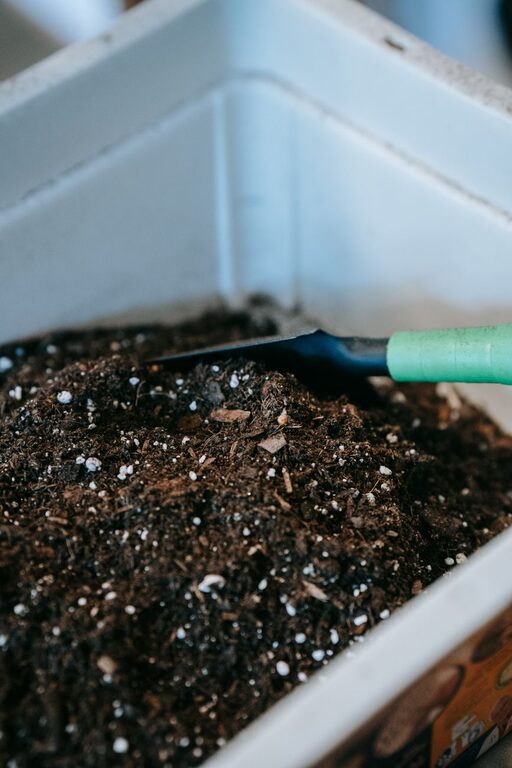
Composting at home is a rewarding way to reduce kitchen and yard waste while creating rich, natural fertilizer for your garden. If you’re new to composting, it might seem a bit confusing at first, but with some basic tips and a bit of patience, you can start a successful compost system right in your backyard or even indoors.
What is Composting?
Composting is the process of breaking down organic materials, like food scraps and yard waste, into nutrient-rich soil called compost. This “black gold” improves soil structure, provides essential nutrients to plants, and helps retain moisture, making it a gardener’s best friend.
Why Compost at Home?
– Reduces landfill waste: Composting diverts organic materials from landfills, lowering methane emissions.
– Saves money: Cut down on buying chemical fertilizers and garden soil amendments.
– Improves garden health: Compost enriches soil, supports beneficial microbes, and promotes plant growth.
– Eco-friendly: It’s a natural recycling process that benefits the environment.
Getting Started: Choosing Your Composting Method
Outdoor Compost Bin
Ideal for gardeners with yard space. These bins come in various sizes and styles, such as tumblers, stationary bins, or homemade piles.
Indoor Composting
If you live in an apartment or have limited outdoor space, consider an indoor compost bin or vermicomposting (composting with worms). Many small, odor-free systems are available for kitchen counters.
What Can You Compost?
Green Materials (Nitrogen-rich)
– Fruit and vegetable scraps
– Coffee grounds and filters
– Grass clippings
– Fresh garden trimmings
– Tea bags (check materials)
Brown Materials (Carbon-rich)
– Dry leaves
– Straw or hay
– Shredded paper and cardboard
– Wood chips or sawdust
– Pine needles
Avoid Composting
– Meat, dairy, and oily foods (can attract pests)
– Diseased plants or weeds with seeds
– Pet waste
– Non-biodegradable materials like plastics
Tips for Successful Composting
1. Balance Greens and Browns
Aim for a ratio of roughly 2 parts brown to 1 part green material. Browns provide carbon; greens provide nitrogen. Too much green causes odor; too much brown slows decomposition.
2. Chop or Shred Materials
Smaller pieces break down faster. Use scissors or a garden shredder for bigger scraps.
3. Keep it Moist
Compost should be as damp as a wrung-out sponge. Water dry piles occasionally, especially in hot weather.
4. Aerate Regularly
Turn the compost every 1-2 weeks to introduce oxygen, which speeds up decomposition and prevents odors.
5. Patience is Key
Depending on conditions, compost may take from 2 months to a year to mature. Finished compost is dark, crumbly, and earthy-smelling.
Common Composting Problems and Solutions
| Problem | Cause | Solution |
|———————–|—————————–|——————————|
| Foul odor | Too much green or wet | Add more brown materials and turn pile |
| Compost too dry | Lack of moisture | Water compost and cover pile |
| Slow decomposition | Too much brown or lack of aeration | Add greens and turn more often |
| Pests or rodents | Meat/dairy in compost | Remove offending materials and secure bin |
Using Your Finished Compost
Once your compost is ready, use it to:
– Mix with garden soil to improve texture and fertility.
– Top dress flower beds and vegetable patches.
– Use as a potting mix ingredient.
– Apply as mulch to suppress weeds and retain moisture.
Final Thoughts
Composting is a fun and eco-friendly hobby that benefits your garden and the planet. Start small, be consistent, and soon you’ll enjoy the satisfaction of turning scraps into valuable soil. With these beginner tips, composting at home can become a simple and rewarding part of your daily routine.
Happy composting!